Hurricane season runs June 1 to Nov. 30. Look up your St. Lucie County evacuation zone and shelters, sign up for Alert St. Lucie, and know who to call.
Last checked Oct. 10, 2026. Sources: the City of Port St. Lucie Hurricanes and Storms page, its Hurricane Preparedness Quick Guide (PDF), its severe weather waste tips and the Florida Department of Revenue’s TIP 25A01-05.
Port St. Lucie sits on the Atlantic side of Florida in St. Lucie County, and hurricane season runs June 1 to Nov. 30. Evacuation orders and shelters come from St. Lucie County; the city handles its own services, debris and updates. The three things to do now: look up your evacuation zone, sign up for Alert St. Lucie, and build a kit for at least a week.
Who to call
- Emergencies: 911
- St. Lucie County Public Safety: 772-462-8100
- 1PSL, the city’s 24/7 line: 772-871-1775
- Port St. Lucie Police (non-emergency): 772-871-5000
- St. Lucie County Fire District (non-emergency): 772-621-3400
- FPL downed wires: 800-468-8243; outages at FPLmaps.com
- Florida City Gas (leaks and odors): 800-993-7546
- State assistance information line: 800-342-3557
1. Know your zone
St. Lucie County’s Know Your Zone locator shows the evacuation zone for any address and its current evacuation status. Search your address or click the map, then write your zone down.
2. Shelters
The county shows shelter locations and their status on its Shelter Locator and Shelter Status map. The county’s shelter and evacuation page holds the rest of its shelter and evacuation information. Check the status map before you leave home.
3. Get the alerts
- Alert St. Lucie: the county’s alert program sends warnings by phone, text and email for severe weather, evacuations and road closures. Sign up.
- Wireless Emergency Alerts reach phones automatically; no sign-up.
- NOAA Weather Radio and the FEMA app carry National Weather Service warnings.
- The forecast: the National Weather Service office in Melbourne, weather.gov/mlb, covers St. Lucie County.
- Local radio listed in the city’s guide: WQCS 88.9 FM, WPSL 1590 AM and WJNX 1330 AM, and La Gigante in Spanish.
4. Build a kit
The city recommends supplies for at least a week:
- Water, 1 gallon per person per day for seven days
- Seven days of nonperishable food and a manual can opener
- Battery or hand-crank radio with weather band, flashlights and spare batteries
- First aid kit, a 7- to 14-day supply of prescriptions, mosquito repellent
- Copies of insurance papers, IDs, deeds and birth certificates in a waterproof bag
- Cash, a full gas tank, phone chargers and a power bank
- Photos or video of your home and belongings for insurance
- Food, water, leash and ID tags for pets
5. Shop tax-free, any time
Florida dropped its hurricane sales tax holiday. Since Aug. 1, 2025, these are always exempt from sales tax, under the Department of Revenue’s TIP 25A01-05:
- Portable generators of 10,000 running watts or less
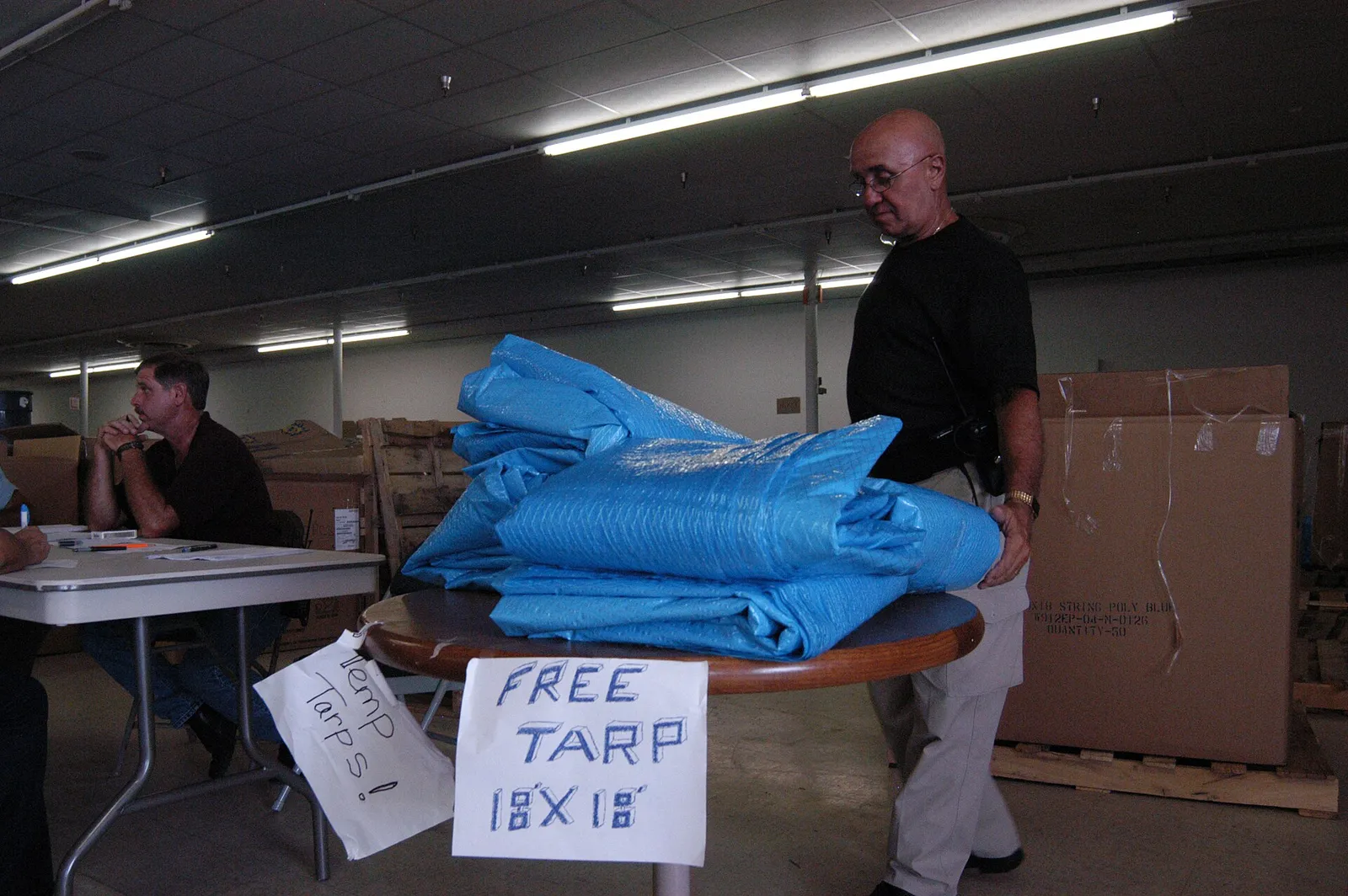
- Waterproof tarps of 1,000 square feet or less
- Ground anchor systems and tie-down kits
- AA, AAA, C, D, 6-volt and 9-volt batteries
- Portable gas cans of 5 gallons or less
- Smoke detectors, carbon monoxide alarms and fire extinguishers
- Life jackets, insect repellent and sunscreen
6. Yards, trees and trash
The city’s storm waste rules:
- Trim trees from December to April, not when a storm is coming.
- Once the National Weather Service puts the city in the cone of uncertainty, city code requires residents to stop trimming vegetation.
- When tropical storm force winds are forecast within 96 hours, all city solid waste operations stop.
- Put carts away, ideally in the garage, and tie down loose debris.
- After the storm, separate garbage, vegetation and bulk debris and keep piles away from trees and power lines. Updates: 772-871-1775, press 5.
7. Flooding
The city’s flood mitigation and insurance page points out that the St. Lucie River, the canals emptying into it and days of heavy rain can all flood homes. What it advises:
- Look up your flood zone on the city’s flood zone map or FEMA’s map service.
- Homeowners and renters insurance does not cover flood damage, and a new flood policy has a 30-day waiting period.
- The city’s Class 5 rating in the federal Community Rating System gives flood policies in the high-risk zone a 25% discount and others 10%.
- Never drive through floodwater: 12 inches of moving water can sweep a vehicle away.
- Repeat flooding? Public Works can visit and advise; the city’s flood page lists 772-873-5100.
What this means for you
- Look up your zone today on the county’s map.
- Sign up for Alert St. Lucie.
- Keep a week of water and food; buy generators and tarps tax-free any time.
- Stop trimming once the city is in the cone.
Related: power outages, trash and recycling, road construction and closures and who to call at City Hall.
Frequently asked questions
How do I find my evacuation zone in St. Lucie County?
Use St. Lucie County’s Know Your Zone locator map: search your address and it shows your zone and its current evacuation status.
Where are hurricane shelters in Port St. Lucie?
St. Lucie County lists shelters and their current status on its Shelter Locator and Shelter Status map. Check it before you leave home.
Is there a hurricane sales tax holiday in Florida?
Not anymore. Since Aug. 1, 2025, items such as portable generators, tarps, AA through D batteries, gas cans and smoke and carbon monoxide alarms are always exempt from Florida sales tax.
Does Port St. Lucie pick up trash during a hurricane?
The city keeps collecting until weather prohibits it and stops all solid waste operations once tropical storm force winds are forecast within 96 hours. Call 772-871-1775, press 5, for updates.
When does hurricane season end?
The Atlantic hurricane season runs June 1 to Nov. 30.
Have your say